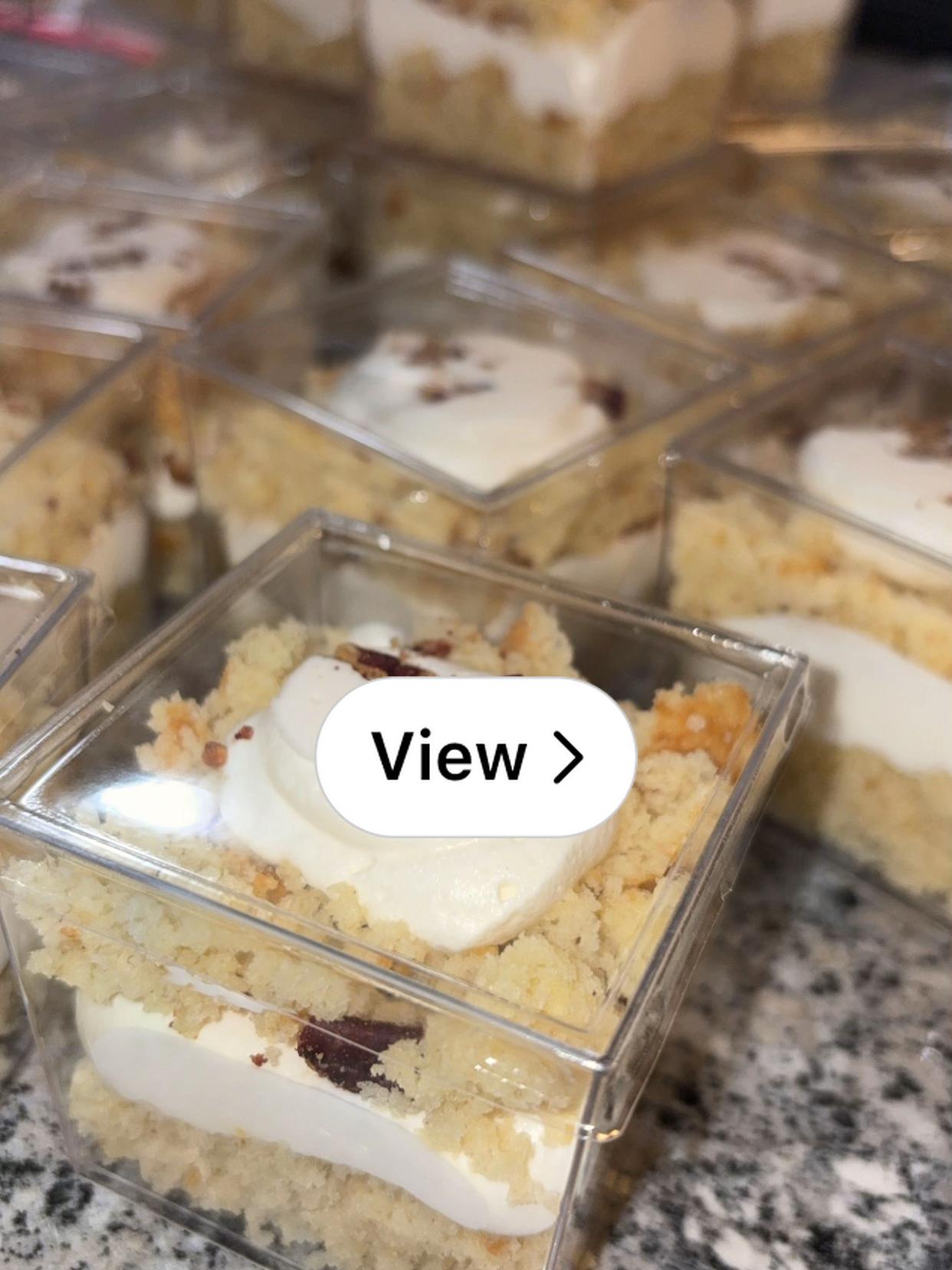
Mastering Melt-in-Your-Mouth Butter Pecan Cake: Tips & Recipe Insights
Few desserts evoke the warmth and comfort of a classic Southern kitchen quite like a perfectly crafted
butter pecan cake. More than just a simple dessert, it’s a symphony of textures and flavors – a wonderfully moist, tender crumb studded with crunchy, buttery pecans, all enveloped in a rich, often caramelized frosting. It's the kind of cake that doesn't just satisfy a sweet tooth; it delivers an experience, literally melting in your mouth with every bite. Whether you're a seasoned baker or looking to tackle your next baking project, mastering this iconic cake is a rewarding endeavor. This guide will walk you through the secrets to achieving that irresistible texture and unforgettable flavor, offering both expert tips and a deep dive into the recipe's core components.
The Allure of Butter Pecan Cake: A Symphony of Flavors and Textures
What makes a
butter pecan cake so incredibly special? It's a harmonious blend of simple yet profound elements. At its heart lies an exquisitely soft and *super moist* cake base, a quality that allows it to truly melt on the tongue. This unique, almost crumbly (but in the best, lightest way!) texture is often achieved through meticulous ingredient preparation and specific mixing techniques, such as the reverse creaming method, which helps create a tender, uniform crumb that resists drying out.
The flavor profile is equally captivating. The deep, nutty notes of toasted pecans are perfectly complemented by the richness of browned butter, a subtle yet crucial element that adds layers of caramel-like complexity. Brown sugar and vanilla extract further enhance these core flavors, tying everything together with a comforting sweetness. But the experience isn't complete without the frosting. Whether it's a decadent brown sugar cream cheese frosting, a rich caramelized pecan frosting, or a velvety vanilla buttercream, the topping is designed to be the ideal counterpoint, enhancing the cake without overpowering its delicate flavors. This combination of moist cake, crunchy pecans, and creamy, flavorful frosting truly elevates the
butter pecan cake to a dessert icon, perfect for holidays or any occasion demanding something truly special. For a deeper dive into crafting these layers, explore
The Ultimate Butter Pecan Cake: Moist Layers & Brown Sugar Frosting.
Crafting Perfection: Essential Tips for Your Butter Pecan Cake
Achieving that legendary melt-in-your-mouth texture and rich flavor in your
butter pecan cake goes beyond just following a recipe; it involves understanding the 'why' behind each step. Here are some essential tips to elevate your baking:
Pecan Perfection: Toasting and Preparation
The pecans are not just an add-in; they are a star. Toasting them is a non-negotiable step that dramatically enhances their flavor and crunch. Melting a quarter cup of butter in a heavy skillet and cooking the chopped pecans over medium heat until browned (10-15 minutes) brings out their inherent nuttiness and provides a delightful crispness. This process deepens their flavor, preventing them from tasting raw or bland in the finished cake. For the cake batter itself, finely chopped pecans tend to integrate better, contributing to that unique moist-crumbly texture, while slightly larger pieces can be reserved for the frosting to add a more pronounced crunch.
The Magic of Mixing: Reverse Creaming Method
While some recipes might use a traditional creaming method, many achieve that coveted soft, tender crumb through the reverse creaming method. Instead of creaming butter and sugar first, this technique involves mixing dry ingredients (flour, sugar, baking powder, salt) together before incorporating softened butter. This coats the flour particles in fat, inhibiting gluten development and resulting in an incredibly tender, velvety cake. Eggs and milk are then gradually added. This method is particularly effective for cakes where a fine, even crumb is desired, ensuring your
butter pecan cake is as delicate as it is delicious.
Ingredient Quality and Temperature Matters
The foundation of any great bake lies in its ingredients. Always use high-quality butter, fresh eggs, and sifted flour. Perhaps even more critical is ingredient temperature. Ensure your butter and eggs are at *room temperature*. This allows them to emulsify properly with other ingredients, creating a smooth, homogenous batter that holds air effectively, leading to a lighter and more uniform cake structure. Sifting dry ingredients together prevents lumps and ensures even distribution of leavening agents.
Baking and Cooling: The Final Touches
Patience is a virtue, especially when baking. Do not overbake your cake layers, as this is the quickest way to dry them out. Begin checking for doneness around the 25-minute mark; the cake should be golden brown and spring back lightly when touched in the center. A wooden skewer inserted into the center should come out clean. Once baked, allow the cakes to cool in their pans for about 10-15 minutes before inverting them onto a wire rack to cool completely. Attempting to frost warm cakes is a recipe for disaster, leading to melted frosting and crumbled layers.
Decoding the Recipe: Key Ingredients and Steps for a Flawless Butter Pecan Cake
Creating a truly magnificent
butter pecan cake involves a methodical approach to both the cake layers and the frosting. Understanding the role of each ingredient and step will empower you to bake with confidence.
Building the Perfect Cake Batter
The foundation of your cake is a delicate balance of dry and wet ingredients. For the dry components, you'll typically combine sifted all-purpose flour, baking powder for lift, and a pinch of salt to balance the sweetness. The wet ingredients bring richness and moisture: softened butter, granulated sugar (often white sugar, but brown sugar can be introduced for a deeper caramel note), large eggs for structure and richness, milk for moisture, and a generous amount of vanilla extract for aromatic depth. After creaming (or reverse creaming) the butter and sugar, eggs are blended in one at a time, followed by alternating additions of the dry mixture with milk and vanilla, always beginning and ending with the dry ingredients to ensure proper emulsification. Finally, 1 to 1⅓ cups of your perfectly toasted pecans are gently folded into the batter, ensuring they are evenly distributed throughout each slice.
Crafting the Irresistible Frosting
The frosting is the crowning glory of your
butter pecan cake. While variations exist – from a rich brown sugar cream cheese frosting to a more traditional vanilla buttercream – the common thread is its luxurious texture and the incorporation of more toasted pecans. A classic pecan frosting might involve beating softened butter until light, then gradually adding confectioners' sugar, vanilla extract, and a touch of salt. Heavy whipping cream or evaporated milk is then slowly added until the frosting reaches a smooth, spreadable consistency. The remaining toasted pecans (typically about ⅔ cup) are then folded in, providing a delightful crunch with every bite. The key here is to achieve a balance; the frosting should be rich and flavorful but carefully designed not to be overly sweet, allowing the nuanced flavors of the cake to shine through. For a deeper dive into the decadent frosting, check out
Decadent Southern Butter Pecan Cake: Toasted Pecans & Creamy Frosting.
Assembly: The Art of Layering
Once your cake layers are completely cooled and your frosting is prepared, it’s time for assembly. This usually involves carefully spreading a generous layer of frosting between each cake layer, ensuring an even distribution. The top and sides of the cake are then coated, creating a beautiful, polished finish. Some bakers like to reserve a few whole toasted pecans for garnish, adding an extra touch of elegance.
Elevate Your Butter Pecan Cake: Serving Suggestions & Variations
A masterful
butter pecan cake is a showstopper all on its own, but pairing it with complementary elements can elevate the experience even further. Serve a slice with a scoop of creamy vanilla bean ice cream or a luscious maple ice cream; the cool, smooth texture and additional flavor notes perfectly complement the warm, nutty cake. A dollop of fresh whipped cream or a drizzle of caramel sauce can also add another layer of indulgence.
While the classic recipe is undeniably perfect, don't shy away from subtle variations to make it your own. A pinch of cinnamon or nutmeg in the cake batter can add a lovely warmth, especially for holiday baking. For an adult twist, consider brushing the cooled cake layers with a light bourbon or rum glaze before frosting. Or, if you're serving a crowd, turning your cake into individual cupcakes or mini bundt cakes offers a charming and convenient presentation.
Conclusion
The journey to mastering a melt-in-your-mouth
butter pecan cake is one filled with delightful aromas and rewarding flavors. From carefully toasting the pecans to understanding the nuances of mixing methods and ensuring proper cooling, each step contributes to a final product that is truly extraordinary. This isn't just a dessert; it's a celebration of rich, comforting flavors and exquisite textures that will leave a lasting impression on anyone lucky enough to take a bite. So gather your ingredients, follow these tips, and prepare to create a butter pecan cake that will be remembered long after the last crumb is gone. Happy baking!